

HAUS of URNS Blog

Direct Cremation — What It Means and How to Plan a Memorial Your Way
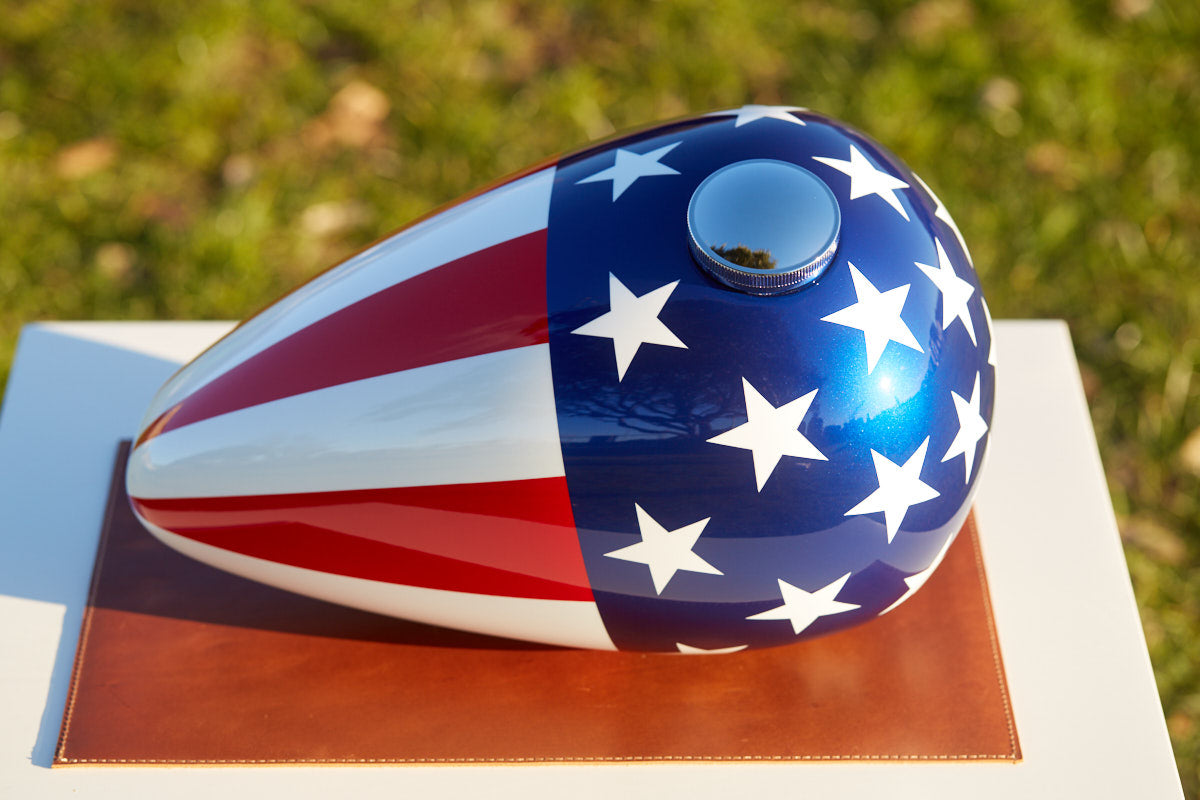
A lot of people don’t realize you can skip the funeral home entirely. No viewing, no service at the chapel, no package deal you didn’t ask for. It’s called direct cremation, and it’s become the most common choice in America — by a wide margin. But here’s what people get wrong about it: choosing direct cremation doesn’t mean you’re skipping the memorial. It means you’re separating the two. The cremation happens simply and affordably. The memorial? That happens on your terms, in your time, in a way that actually feels right. Whether you’re planning ahead for yourself or you’re in the middle of making arrangements for someone you’ve lost, this guide walks you through how direct cremation works, what it costs, and how to create a memorial that means something — without the funeral home script. What Is Direct Cremation, Exactly? Direct cremation is exactly what it sounds like. After someone passes, the body is transported to a crematory and cremated — without a funeral service, viewing, or embalming beforehand. No casket. No ceremony at the facility. The cremated remains are returned to the family, usually within a few days, and that’s it. It’s the simplest form of cremation there is. Some people choose it because they want things kept straightforward. Others choose it because the traditional funeral process doesn’t feel like them — or like the person they’re honoring. And for a lot of families, it’s simply the most practical option. One important thing to know: the rules vary by state. In most of the U.S., you can work directly with a cremation provider without ever involving a traditional funeral home. But a handful of states — including New York, New Jersey, Louisiana, and a few others — require a licensed funeral director to handle certain parts of the process, like filing the death certificate or transporting the body. It’s worth checking the specific requirements where you live before you begin making plans. How the Process Actually Works The process is more straightforward than most people expect. Here’s what it typically looks like, step by step. Authorization. The next of kin — usually a spouse, adult child, or sibling — provides written authorization for the cremation. This is a legal requirement everywhere. The death certificate. This needs to be completed and filed, usually through the medical facility, hospice, or coroner’s office. Your cremation provider will typically help coordinate this. You’ll also want to request several certified copies — you’ll need them later for things like insurance, bank accounts, and estate matters. Choosing a cremation provider. You don’t need a funeral home for direct cremation. There are companies that specialize in exactly this — they handle the legal paperwork, the transportation, and the cremation itself. Many of them operate online, which means you can arrange everything from your home. When choosing a provider, ask what’s included in their price, check their reviews, and make sure they’re licensed in your state. The cremation. Once everything is authorized and the paperwork is filed, the provider transports the body and handles the cremation. This usually happens within a few days. Receiving the ashes. The cremated remains are returned to you — either picked up in person or shipped to your home. Most providers use a basic temporary container. From there, the choice of a permanent cremation urn is yours to make, whenever you’re ready. What It Costs — And What You’re Saving This is where a lot of people are surprised. A traditional funeral with burial in the United States averages over $8,000 — and that’s before the cemetery plot, the headstone, and the flowers. Direct cremation, on the other hand, typically costs between $995 and $2,000, depending on where you live and which provider you choose. That’s a significant difference. And the reason is simple: you’re not paying for a casket, embalming, a viewing room, a hearse, or a funeral director’s full-service fee. You’re paying for the essentials — transportation, the cremation itself, and the legal paperwork. A few things to watch out for when comparing prices. Some providers advertise a low starting price but add fees for things like the death certificate filing, transportation beyond a certain distance, or the temporary container. Always ask for an itemized list so you know exactly what you’re getting. The FTC’s Funeral Rule gives you the right to see a full price breakdown from any provider — use it. Also keep in mind that pricing varies by region. Urban areas tend to be more competitive, while rural areas can run higher. Getting quotes from two or three providers is always a smart move. Now You Have the Ashes — What Comes Next This is the part that matters most, and it’s also the part where you have the most freedom. Once you have the cremated remains, there’s no clock ticking. You don’t have to plan a memorial the next day or even the next week. You do it when you’re ready. Some families hold a gathering at home — a few close people, some food, their music, their stories. Others plan something in a place that meant something to the person — a favorite park, a beach, a restaurant they loved. Some keep it completely private. There’s no wrong way to do this. Here are a few things that can make a home memorial feel personal and meaningful: Play their music. Not funeral music — their music. The songs they loved, the ones that make you think of them. Serve their favorite food. It sounds small, but it brings people together in the right way. If they loved barbecue, fire up the grill. If they had a signature dish, make it. Set up a memory table. Photos, objects, things that tell their story. Let people walk up and remember on their own terms. Let people talk. The best memorials aren’t scripted. Give people space to share stories. That’s where the real moments happen. Choose an urn that represents them. If the urn is going to be part of your home, it should feel like it belongs there — and like it belongs to them. When it comes to choosing the right cremation urn, there’s more to think about than you might expect. We wrote a full guide on how to choose a memorial urn for someone special — it covers everything from craftsmanship and materials to personalization and what questions to ask before you buy. How to Choose a Memorial Urn for Someone Special You’re Not Doing Less — You’re Doing It Differently There’s still a stigma around skipping the traditional funeral. Some people feel like choosing direct cremation means they’re cutting corners or not honoring the person properly. That couldn’t be further from the truth. A funeral home service isn’t the only way to show you cared. For a lot of people, it’s actually the least personal option — a standardized process in a room that doesn’t know your person, run by people who never met them. There’s nothing wrong with that if it’s what you want. But if it doesn’t feel right, you should know that there’s another way. Direct cremation gives you the space to grieve and the freedom to plan something real. Something that sounds like them, looks like them, feels like them. On your schedule, in your way, with the people who actually knew them best. Because honoring someone isn’t about following a script. It’s about doing it with intention. When you’re ready to choose a memorial urn that truly fits the person you’re honoring, take a look at our signature piece — The Freedom Urn. Designed for people who lived life on their own terms. The Freedom Urn How It Works
Learn more
How to Choose a Memorial Urn for Someone Special
What to look for, what to ask, and how to find a memorial urn that actually feels like the person it's for.
Learn more